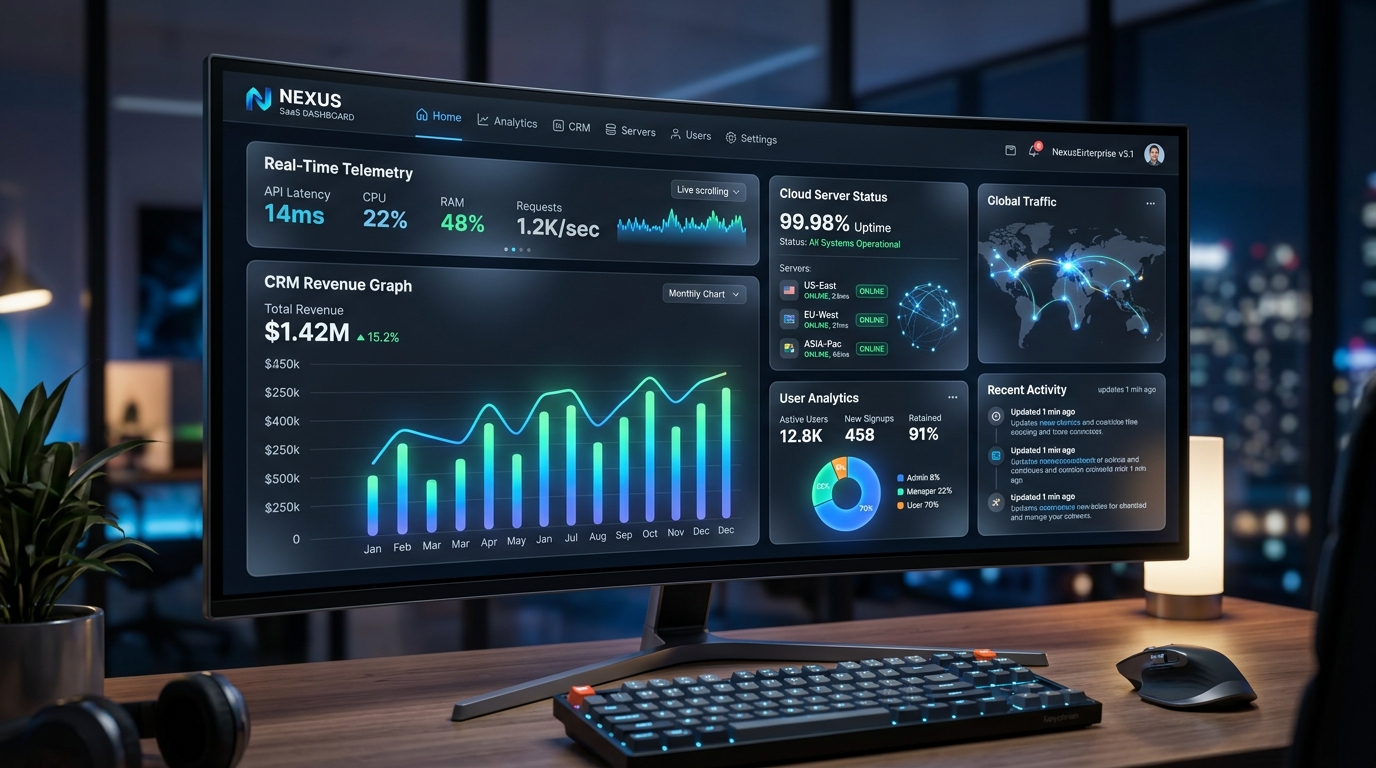
India's logistics sector is undergoing a massive digital overhaul. Across heavy industrial belts like Raipur, Bhilai, Bilaspur, and the wider Central Indian economic corridor, transport operators manage hundreds of fleet movements daily. Yet, many still battle manual Lorry Receipts (LR), untracked driver cash advances, and delayed GST e-invoicing.
The Operational Bottlenecks in Traditional Indian Fleet Management
For transport contractors and fleet owners, profit margins are often squeezed by unmonitored diesel usage, delayed POD (Proof of Delivery) submissions, and lack of real-time consignment visibility. Traditional ledger notebooks or fragmented spreadsheets fail to provide instant financial reconciliations.
⚡ Key Capabilities of Modern Cloud Transport ERP:
- Automated LR & Dispatch Generation: Instant bilingual Lorry Receipts with one-click WhatsApp sharing to consignors.
- Live GPS & Fleet Fuel Auditing: Integrated telematics tracking vehicle routes, mileage, and driver stoppage alerts.
- Driver Settlement & Advance Wallets: Track toll expenses, Fastag deductions, and trip advances with zero cash leakages.
- Direct GST E-Invoicing & E-Way Bill Sync: Seamlessly fetch and renew E-Way bills directly from the government portal.
ROI Impact: How Enterprise ERP Cuts Overhead by 25%
By migrating to a unified ERP architecture like IT Mingo Transport ERP, fleet owners gain instantaneous audit trails. Trip profitability is calculated the moment the truck arrives at the unloading terminal, speeding up customer invoicing from 15 days to under 4 hours.
Future Roadmap: AI-Driven Fleet Dispatching
The next frontier for Indian logistics is algorithmic route planning and predictive maintenance. Early adopters in Chhattisgarh and Odisha are already utilizing these tools to minimize vehicle downtime during high-demand mining and industrial seasons.